The 5 Stages of Baseball & Softball
Kids aren’t playing to get better, or because they love the game. They’re playing to get somewhere. The five stages every player moves through — and what rushing them costs.
This article was originally published on Bobby's Substack - you can subscribe for free to be alerted whenever he publishes something new!
One of the most common things I hear from young players is a single sentence.
“I want to play in college.”
And I always find myself wondering the same thing… Why?
It isn’t a bad goal. It’s really hard. It takes a ton of sacrifice.
And what strikes me is how early it shows up and how it has seemed to become a justification for playing a sport.
Somewhere along the way, playing in college stopped being a possible “nice to have” outcome and turned into the entire purpose. Kids aren’t playing to get better, or because they love the game. They’re playing to get somewhere.
That’s a 7-year-old carrying the mindset of an 18-year-old.
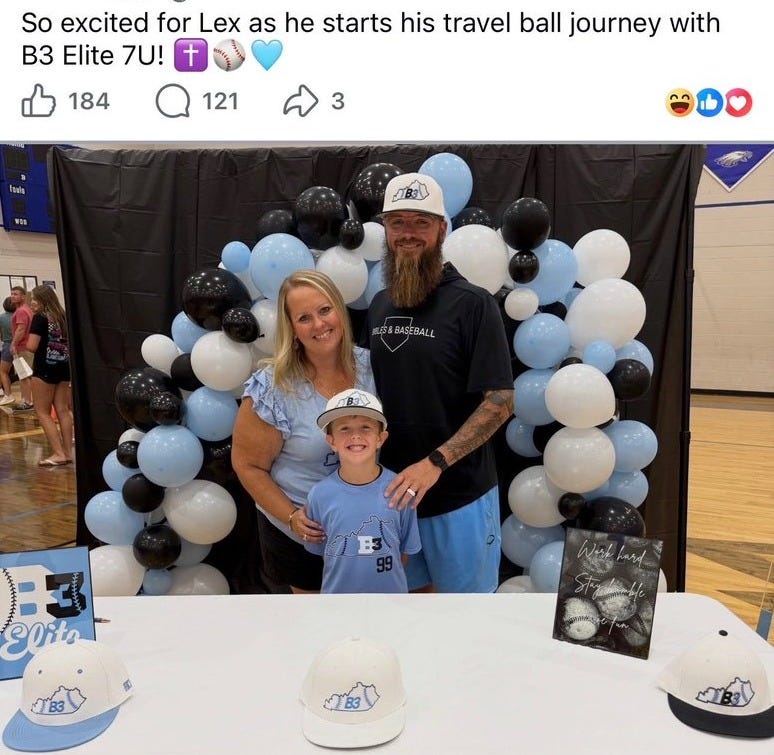
No disrespect to this family (who I’m sure just wants the best for their son), but this sort of thing is exactly what I’m talking about.
So let’s look at the 5 Stages of Baseball & Softball and why each stage matters. Something to note - these aren’t stages you enter and exit. They stack!
Each Stage Has Its Own Mindset
The journey through this game moves through five natural stages, and each one comes with a mindset that fits it.
Stage 1: How to Play
How to play is exactly what it sounds like: Learning the fundamentals of the game. How to throw, catch, swing. These are the fundamental building blocks of the sport, just like learning numbers to do math and learning letters to write words and sentences.
After basic skills, you have to move into the game itself. Baseball and softball plays are essentially races. When the hitter makes contact, that becomes a race between the batter/runner and the fielder.
Learning the time components of the game, where you need to be, what you need to do, and how all those mechanics work falls under this “How to play” stage.
Learning how to play should never stop, but you need to establish HOW to play before any of the other stages can occur.
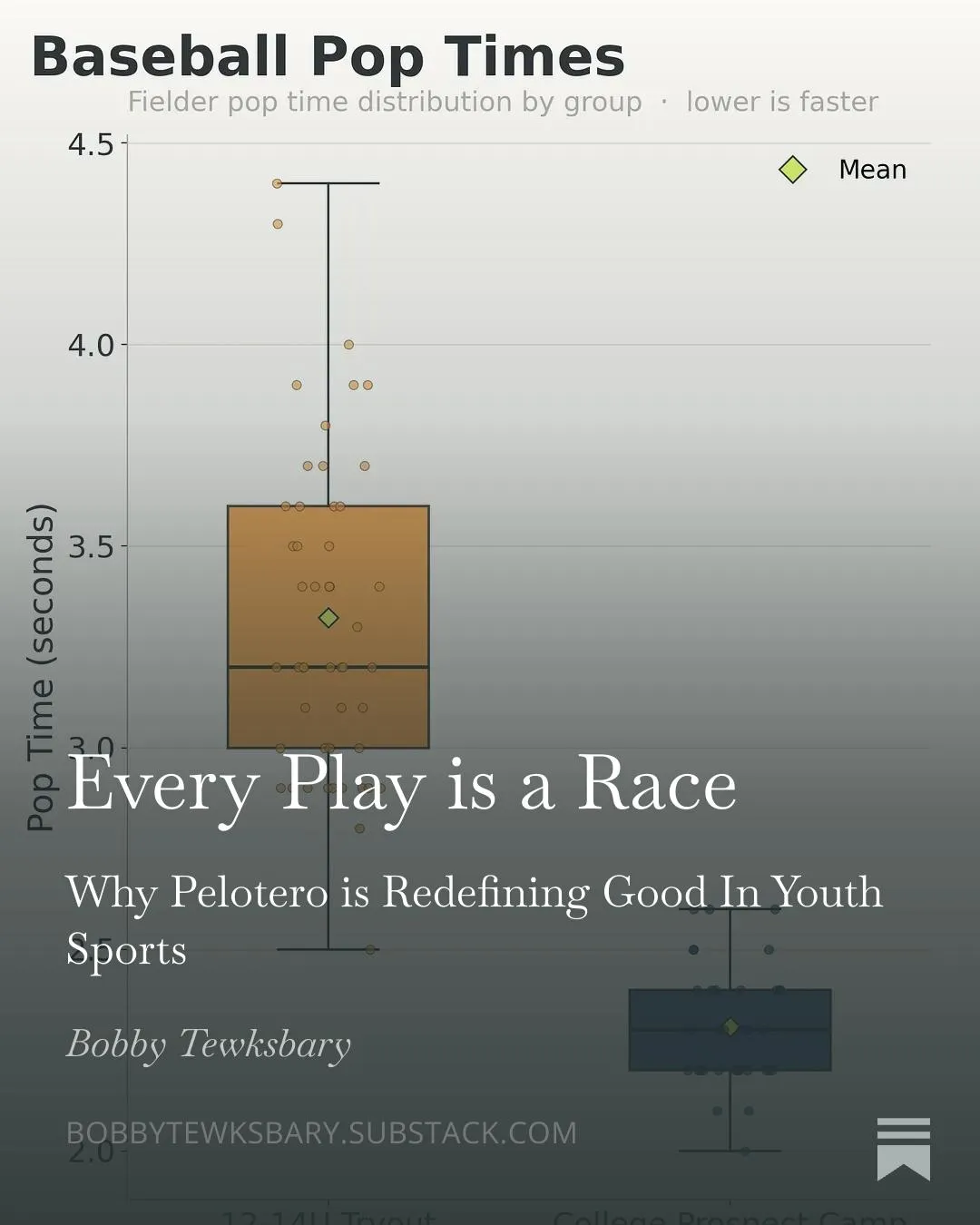
(And if you haven’t read the “Every Play Is a Race” article, definitely check that out.)
Stage 2: Like to Play
After you learn how to play, you can begin to like playing. This is when a player starts to enjoy the game. They like the race, they like swinging and hitting the ball, they like running to first base, they like trying to field ground balls and make throws and catches. This is when players actually enjoy the game.
Think of this like playing a video game for the first time. You pick up the controller and you’re not really sure what the buttons do. You have to figure out how it works first. After you learn how to play, it might start becoming fun. You could start to like playing the game, and that is what will keep you playing.
Stage 3: Competitive Play
If you know how to play and you like playing, the natural progression is to seek more competition. When the video game gets too easy, it gets boring. You aren’t challenged. Your brain isn’t being stimulated. It’s literally less fun to play when you’re not playing good competition. You want to advance the levels. You want to beat the game.
My biggest fear for the game right now is players liking winning more than they like competing. There’s nothing wrong with winning rings/trophies (especially if the competition was good!) but I would greatly prefer a player who loves to compete over a player who loves to win.
Stage 4: Prospective Play
Prospective play is when the athlete begins making life path choices with sport included. This typically means playing beyond high school and pursuit of greater life opportunities through sport.
Can you get into a better school because of your sport? Do you want to make significant sacrifices to pursue your sport over the many other options you have.
This is when it gets serious, but the How, Like and Competitive stages are still foundation.
Stage 5: Professional Play
Professional pay is when you’re literally getting paid to play the game. At this stage, the athlete is a performer. They are getting paid to play a game so other people can watch.
The professional stage is ruthless. The game will chew you up and spit you out. Very few players ever make enough money as a professional where they will never need another job!
We’re Rushing the Mindset
When a parent thinks the 10u game matters to Prospective or Professional stages, something has gone sideways.
They’ve skipped right past the stage they’re actually in. Instead of falling in love with the game, they’re auditioning for a version of it that is still eight years away.
The joy of Like to Play only comes around once, and a recruiting mindset, with immense expectations, can disrupt that stage.
The Destination Doesn’t Deliver What We Think
It’s worth being honest about the destination itself because reaching the top doesn’t guarantee any of the joy we imagine.
I’ve known plenty of professional players who don’t really love baseball. They play because it’s a fantastic paycheck - a fair enough reason.
But it’s a little sad to watch. They know the clock is ticking on their careers so they ride it out as long as they can.
What We Should Be Chasing
The purpose of playing can be so simple and more joyful. Get better and love the game.
A kid who loves it and keeps improving doesn’t have to chase a destination. The stages take care of themselves, and those destinations get EARNED.
It takes so much hard work and sacrifice to reach your potential. Love of the game is the thing that actually lasts.
The Longest Stage of All
There’s one more stage almost no one plans for, and it lasts the longest by far.
For nearly every kid, the biggest stage isn’t playing at all. It’s the rest of their life with the game as a fan and maybe someday a sports parent or a volunteer coach.
Your child will be a fan far longer than they will ever be a player. That relationship can last 60+ years and it’s built on loving the game, not on a college roster spot.
Enjoy the Stage You’re In
Dream big. There is nothing wrong with a kid wanting to play in college one day.
Just don’t let a destination steal the joy from the game. Play to get better. Play because you love it. The rest tends to follow.
Written by
Bobby Tewksbary
Bobby is a co-founder of Pelotero. After finishing his collegiate and professional player career, he owned a baseball training facility for over a decade. He has worked with thousands of players of all ages - including pitching to one of his clients in the MLB Home Run Derby.