Player Spotlight: Lauren Colson from Daly Athletics
An interview with Lauren Colson and her coach, Rich Daly, on how they use Pelotero.
Rich Daly runs Daly Athletics in Idaho, coaches with Idaho Intensity, coaches with Mountain View High School, and is one of our Pelotero partners. Rich is an early adopter of the Universal Rating System and is passionate about getting players from his state the same opportunities as players from California, Texas, and Florida.
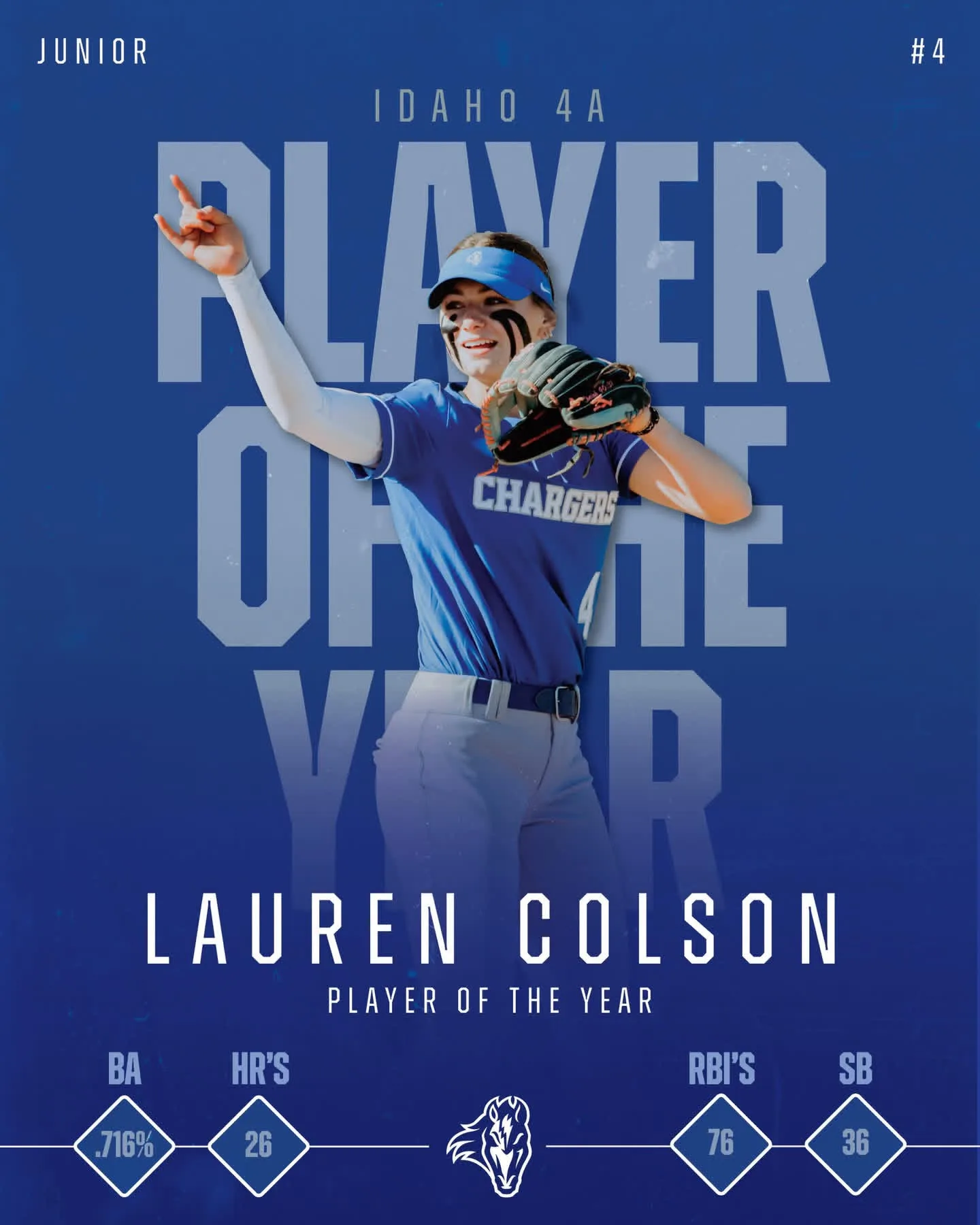
One of his players with the Idaho Intensity, Lauren Colson, had an unbelievable high school season.
Her 2026 junior season at Cole Valley Christian is hard to believe. She hit .716 with 26 home runs in 29 games and struck out just five times. She set Idaho’s modern-era single-season home run record, was named 4A State Player of the Year, and helped Cole Valley win its third straight state title.
She has also completely embraced Pelotero and uses nearly every feature on the platform in her training. We sat down with Lauren and Rich together to hear how they use Pelotero in Lauren’s work, how it’s changed their process, and what they’re both getting out of it.
A Player That Younger Players Look Up To
The very first question Bobby Tewksbary, Pelotero’s co-founder, asks Lauren on the call is, "What do you take the most pride in as a player?"
"I like showing up early, like 15 to 30 minutes early to every practice," she says. "I try to work hard every day, and I try to bring energy to the field."
"Her work ethic is second to none," says Rich. "So many times I’ve shown up to the facility before my first lesson and she’s in there by herself, putting in the work. When you have God-given ability and you add that work ethic, that’s when good players become great players."
One homer from Lauren’s historic HS season.
Bobby asks Lauren to walk him through the at-bat when she broke the state record. She laughs and admits she can’t tell him the pitch or where it was.
"I honestly don’t remember," she says. "I always just try to stay relaxed and in the moment. If I go in thinking I have to hit a home run, I’m gonna roll over or pop out. I was just thinking, your body knows what to do."
When Bobby asks Rich what it was like for him following her chase for that record, he says, "We knew it was coming at some point. It wasn’t gonna take long for her to get it."
The "we" he’s referencing is a huge part of her story. Justin Mace, a former pro baseball player, has been her hitting coach since she was eight. Ryan Crosby coached her to three state titles in a row at Cole Valley. "She has really good people in her corner," Rich says. "When you have that, it takes your game to the next level."
Bobby asks Lauren if there was an older player she looked up to growing up. She names Lola Crosby, Ryan’s daughter. "I just always thought she was really great, and I really wanted to get to where she was," she says.
Now Lauren is the one younger players watch. Younger players often practice with Rich’s older teams, and when they need to see how something should look, he calls Lauren over. "There’s a certain standard you need to get to if you want to play at the next level," he says. "We’re constantly using her as the example."
Using the Universal Rating System
Lauren has tested on Pelotero’s Universal Rating System (URS) every month since July. Bobby asks her what going through the assessments has been like, and whether she’d done anything like it before.
"I’ve done stuff like that at camps," she says, "but they didn’t give me as much as Pelotero gives me. And it was fun being able to compete with my teammates and see who could get the highest score."
Pelotero’s Universal Rating System (URS) gives every player one rating, from 0 to 1,000, built from objective, time-based assessments across four components: hitting, fielding, throwing, and running. It holds its meaning at every level, so a 600 means the same thing whether a player is 12 or playing in college. In baseball and softball, every play is a race, and the rating shows how fast a player can play right now, within the entire sport.
"Which test was your favorite?" Bobby asks.
"Definitely not the pop time one."
Bobby points out that her fielder pop time is in the high 800s, one of her best scores. "So you might want to start liking that one."
Lauren’s fielder pop time, one of her strongest scores at the high 800s.
Rich has taken a lot of his athletes through the testing, and the ease of the data capture in a team setting is something that stands out to him most. "The most important thing is they’re having fun doing it," he says. "It relaxes them, but it also makes them compete. These girls are starting to push each other. That’s probably the most special thing about the URS."
"What did Pelotero provide that you hadn’t gotten before?" Bobby asks.
"Pelotero shows you the video of everything," Lauren says. "You know they aren’t bad readings when you literally see the timer on the screen."
Rich picks up the thought. "It’s verified," he says. "Anybody can say they run this or throw that. With the Pelotero testing, you have verified video to prove it. It can be trusted."
Her overall rating is 794 out of 1,000. That puts her in the 700-800 range, where college players typically land. When Bobby asks if it captures who she is as a player, she doesn’t hesitate. "Yeah, absolutely."
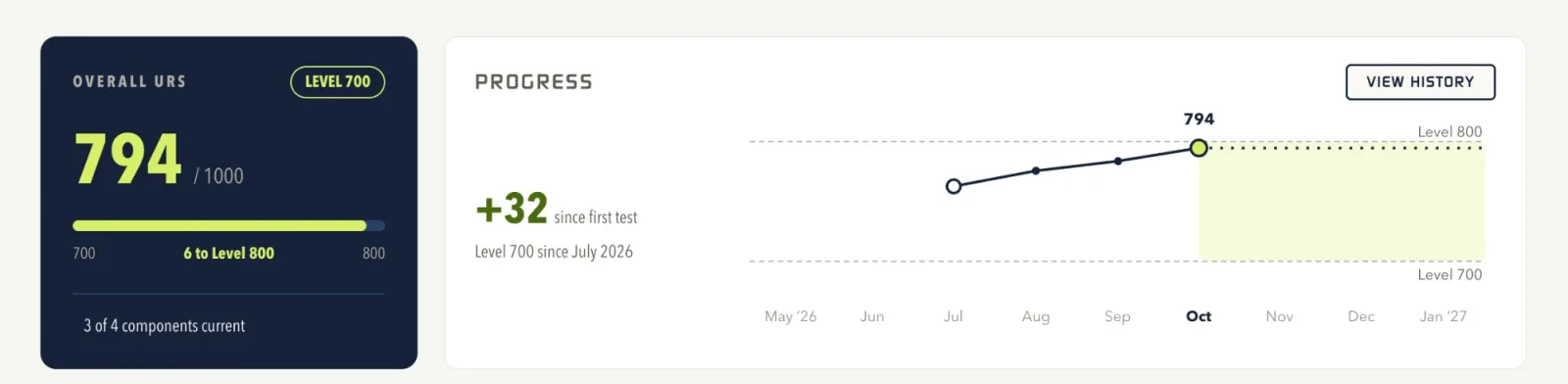
Her 75 mph exit velocity rates 917, above the typical college range, and her 65.7 mph bat speed rates 780. Her arm grades out at the college level too, with a 71 mph throw that rates 911, and Fielding comes in at 862.
Bobby asks if anything surprised her. One thing did. "My hitting mechanics were pretty low, and that kinda surprised me," she says. Swing Mechanics came in at 618.
"The best players of all time are 900 and above. Anything over 600 is a very solid, very consistent swing." Watching her video, he’s noticed her hands drop a little as the swing moves forward. This is highlighted in the more in-depth breakdown of her mechanics.
Bobby asks whether seeing her stronger and weaker tools side by side helps shape what she focuses on. "Yeah, I think so," she says. "I like this breakdown because it shows what I could prioritize a little more, things I was struggling with, instead of just working on everything."
Bobby asks Rich whether the numbers help him communicate with players and parents.
"Absolutely," Rich says. "When you first test, the players see the numbers and it sets a baseline. What’s our goal? We’re 50 points away from 600. Let’s go get it."
Bobby asks Rich how coaching changes when the player, the coach, and the parents are all looking at the same numbers. "It holds everybody accountable," Rich says. "We test every month, so over time we should see a trajectory of everything rising. If there’s a dip, why are we dipping? What are we missing? And parents have it on their phone, so there’s no excuses."
Tracking Every At-Bat
Lauren has also been diligent about tracking her at-bats on the Pelotero app. After each game, Pelotero users can log every at-bat from their video, going through it pitch by pitch and answering detailed questions about their timing, accuracy, and swing decisions. Pelotero tracks and interprets this data on every player’s dashboard, generating post-game reports and delivering insights about why a player is making outs.
"What got you to start logging all of your games?"
"Coach Daly definitely brought me onto it," she says. "I already knew I struggled with pitch recognition. It helped me see which pitches I was swinging at that weren’t good balls to swing at, and it really helped me have better pitch selection."
Bobby shares her game log on the screen. She swings at strikes 79% of the time and is on time on 73% of her swings, usually a bit early when she isn’t. She squares the ball up 39% of the time.
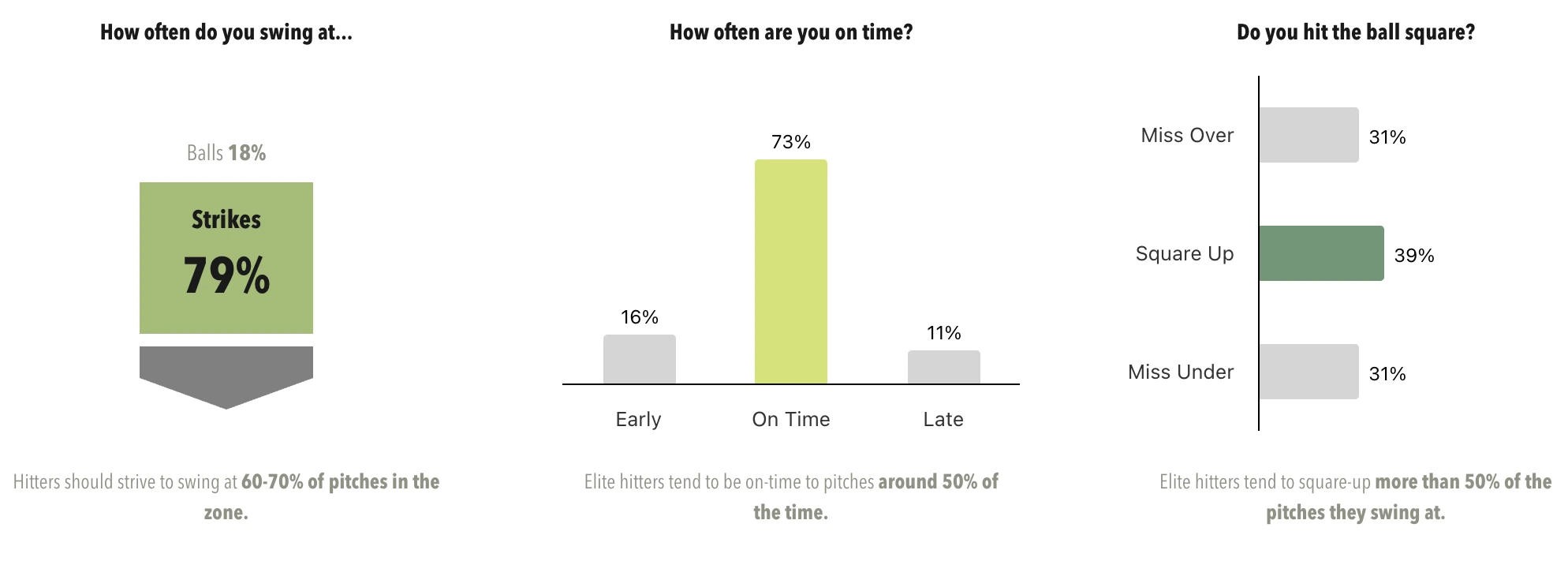
Screenshot of Lauren’s at-bat data on her Pelotero dashboard.
He asks which pitches give her the most trouble. "Probably the curve outside," she says. "I tend to read that as a strike, but then it goes off on me." Bobby finds two of them in her recent logs, one she took and one she swung at.
The practice of tracking her swing decisions this thoroughly is already paying some dividends. "Last time we played, there was a pitch I just watched, and it was a ball," she says. "I was like, wow, I usually would swing at that."
When Bobby asks about her process, she says she usually logs from the passenger seat on the drive home from tournaments.
It has changed how her lessons start, too. "I walk in and say, this is what I did during my games, this is what I feel like I did wrong," she says. "And I can show the data. We work off of that."
How at-bat logging works on Pelotero.
As soon as a player logs a game, the coach gets the report and gets the full context of every pitch. "It closes the loop," Bobby says. "Instead of games happening over there and training happening over here, it gets everybody on the same page."
Built for Players Like Lauren
Bobby asks Lauren how her path might have changed if she’d had Pelotero at 12 or 13.
"It would have helped me recognize what I needed to work on," she says. "I’d already know, and I could work on it right away. I wouldn’t have to wait for a coach to come tell me. I could go out and work on it by myself."
That answer is a big part of why Bobby built Pelotero.
"When I was playing, I never really knew where I stood or what I should be working on," he says. "Lauren already outworks everybody. Seeing her use her rating and her at-bat data to point all that effort at the right things makes me really proud."
Bobby also specifically asks Rich how Pelotero helps players in a place like Idaho, which isn’t thought of as a hotbed for softball. Rich says he’s been using it as a recruiting tool, because a verified rating with video carries more weight than a number from a camp.
"People might look at Idaho as not as talented," he says. "But this measures everyone on the same scale. Whether you’re from Idaho or Texas, this is how fast you can play. And it’s just going to change the conversation and help our girls get more opportunities."
Bobby’s last question for Lauren is what she’d tell a younger player who wants to be where she is. "Work hard every single day, and never give up, even when it gets hard."
"What makes it hard?"
"Taking the time every single day to go out and work on things," she says. "Giving up social events, or hanging out with friends, for your sport."
A huge thank you to Lauren and Rich for sitting down with us.
Lauren is a member of the class of 2027 and is still uncommitted. College coaches who want to learn more about her can reach out to Rich for more information.
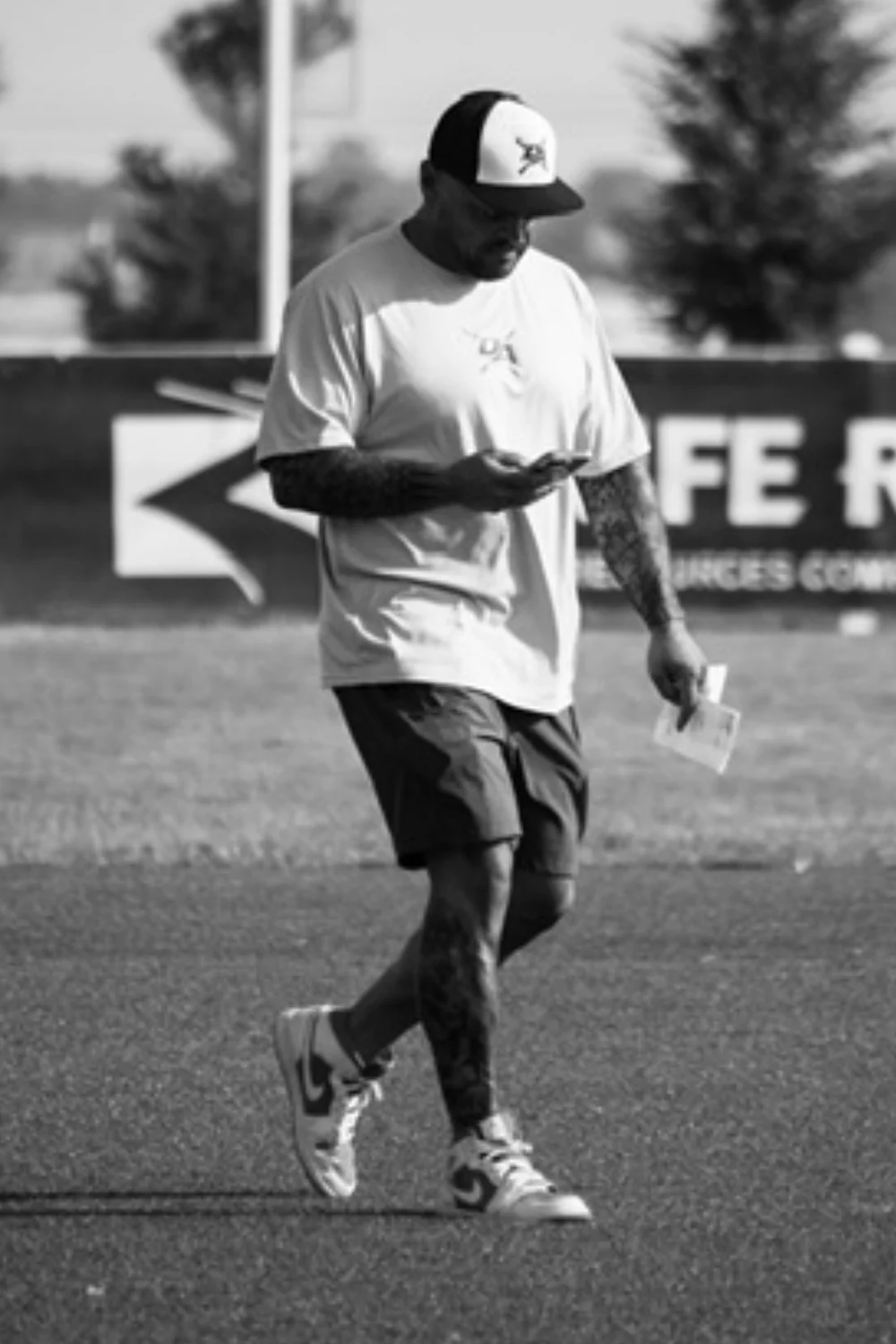
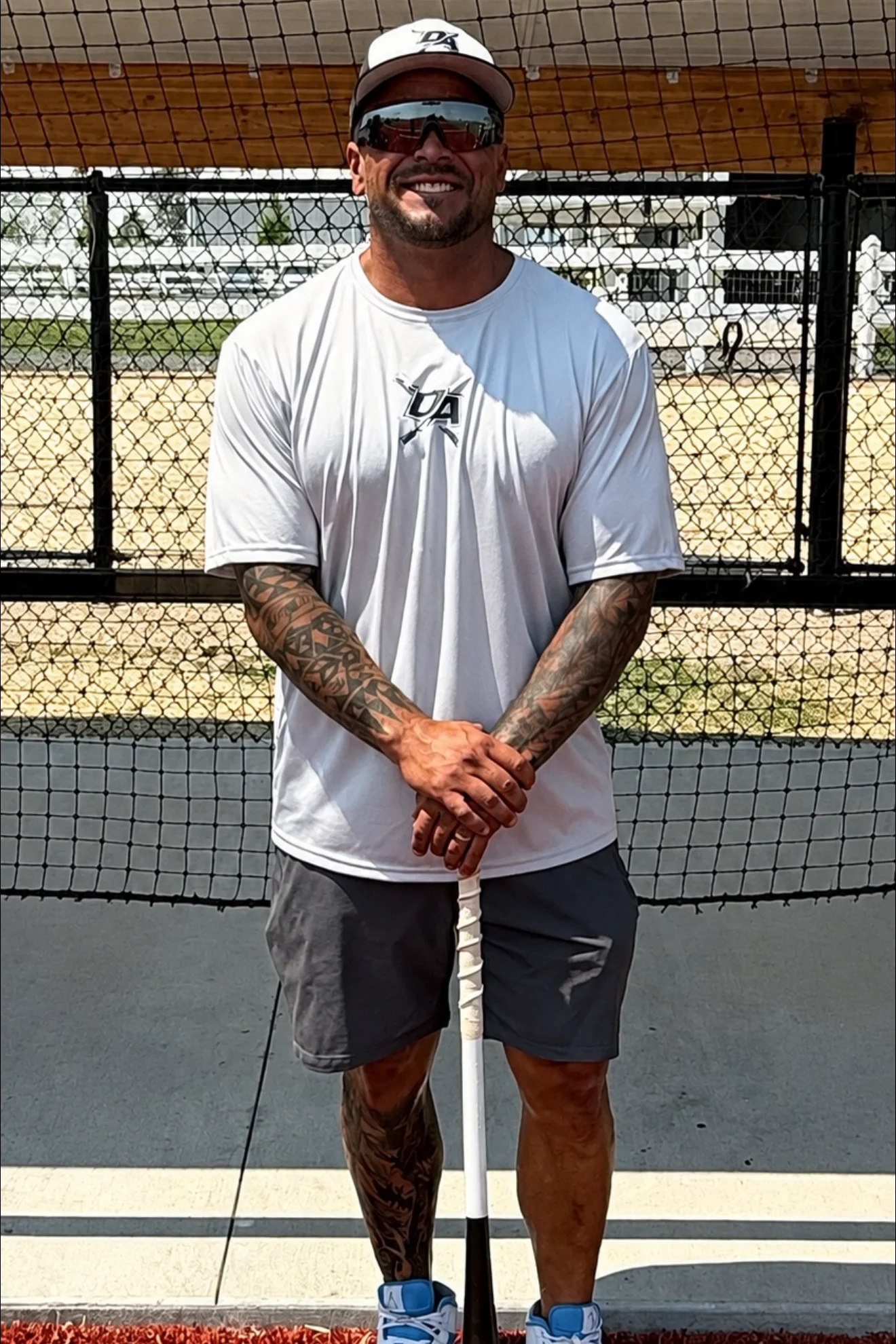
Rich runs Daly Athletics at the Yard in Boise, Idaho, where he and Justin Mace train players year-round. He also coaches with Idaho Intensity and brings Pelotero’s ratings, drills, and at-bat tracking to players from clubs across the state. To train with Daly Athletics, click here or contact Rich at:
Email: dalyathletics@gmail.com
Phone: 208-370-4151
Players and parents: Want to know where you stand? Find a Pelotero partner near you to get rated on the Universal Rating System and start training with Player Intelligence.
Coaches: Want to bring the URS to your players, like Rich did? See more information on how to become a Pelotero partner here!

Written by
Pelotero
Pelotero is a player development company. We help athletes, teams and facilities.